Woodrow Wilson
To Field an Army: A Short History of the Draft
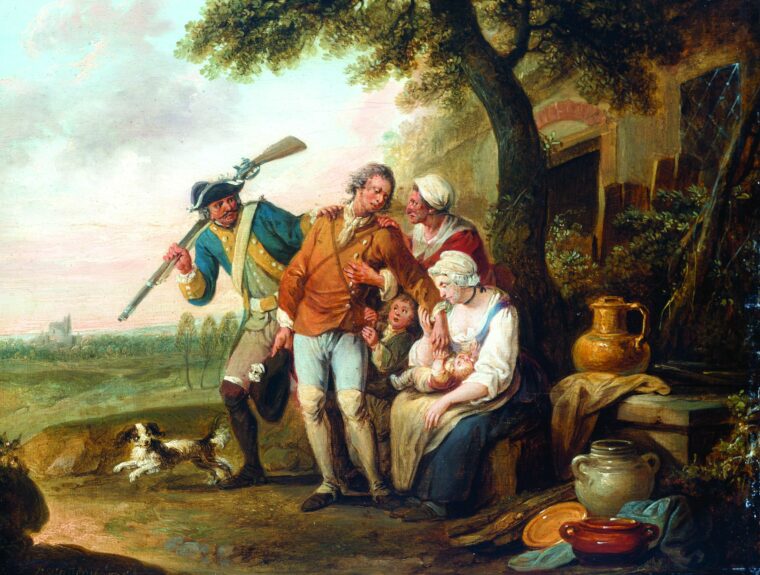
By Mike HaskewThe call of a nation on its civilian population either to create a military force or to augment a standing army is virtually as old as civilization itself. Read more
Woodrow Wilson
The call of a nation on its civilian population either to create a military force or to augment a standing army is virtually as old as civilization itself. Read more
Woodrow Wilson
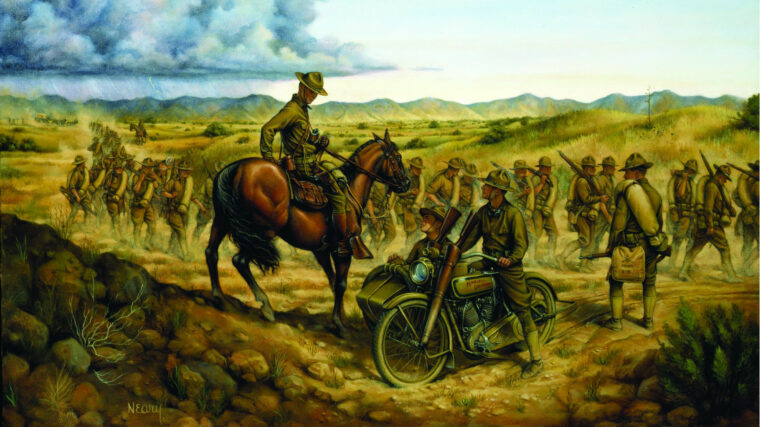
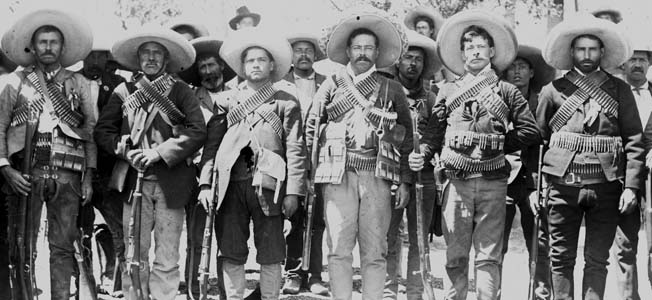
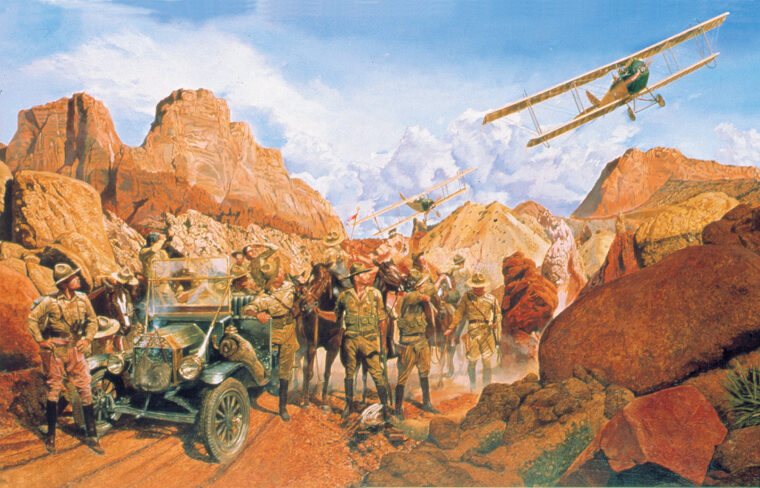
At four-thirty on the morning of March 19, 1916, the sound of gunfire echoed through the streets of Columbus, New Mexico, a border settlement of adobe houses, a bank, a post office and a few stores surrounded by cactus, mesquite and rattlesnakes. Read more
Woodrow Wilson
Looking at a 1917 newspaper photo of Frederick Funston, barely 5 feet 4 inches tall and weighing just a biscuit over a hundred pounds, today’s reader would wonder whatever made U.S. Read more
Woodrow Wilson
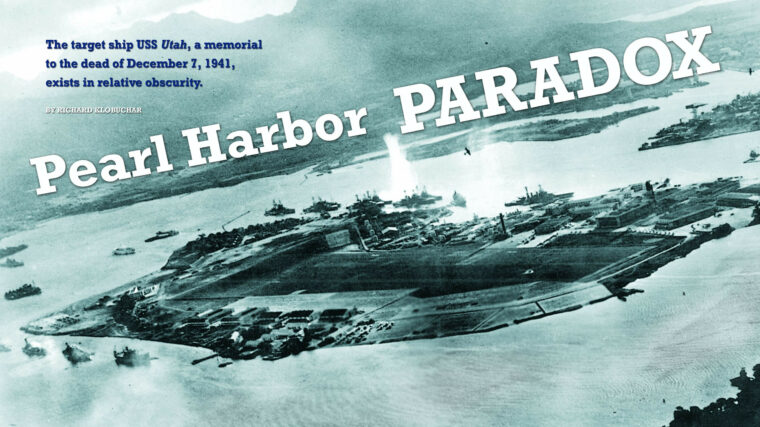
Very few among the throngs of visitors to Pearl Harbor on the island of Oahu are aware of an anomaly, but it definitely exists in the case of the USS Utah. Read more
Woodrow Wilson
On July 14, 1940, William Donovan stood on the pier fronting New York harbor and waited to board the Pan Am flying boat named the Lisbon Clipper for a flight that would take him to Portugal and then to London, his ultimate destination. Read more
Woodrow Wilson
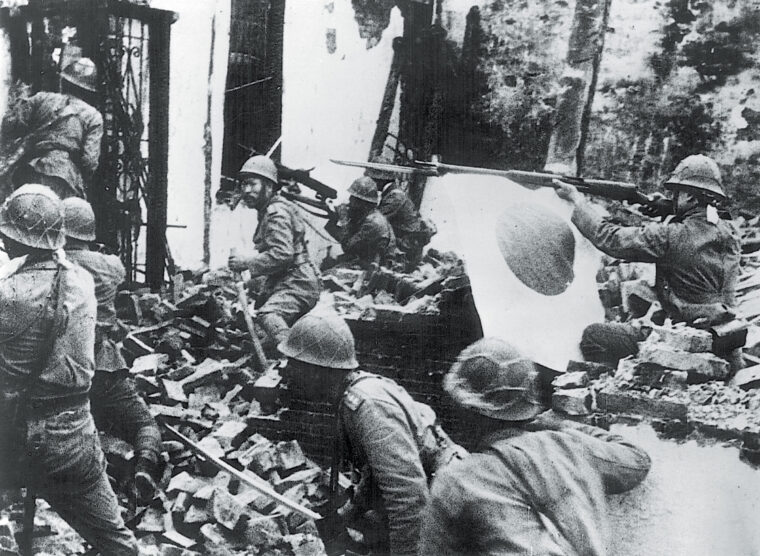
Japan’s road to World War II was a long one. Throughout the late 19th century, the island nation broke out of its feudal past on a path to modernity with a ruthlessness and singlemindedness that would have scared Western nations had they been paying attention. Read more
Woodrow Wilson
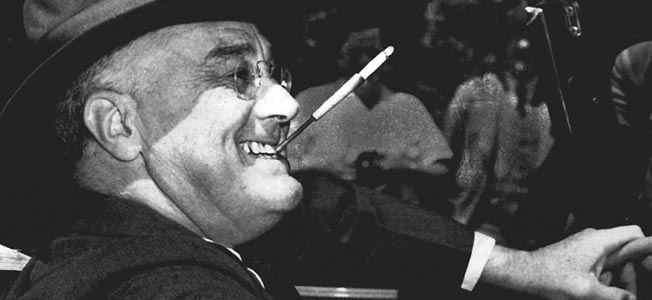
It seems to me that the dedication of a library is in itself an act of faith.” The date was June 30, 1941, and the speaker was President Franklin D. Read more
Woodrow Wilson
Lieutenant John P. Lucas of the 13th U.S. Cavalry was sound asleep in a small adobe shack in Columbus, New Mexico, on the night of March 9, 1916, when he was abruptly awakened by the unmistakable sounds of men and horses passing outside his window. Read more
Woodrow Wilson
One of Franklin D. Roosevelt’s longtime interests was the hidden world of espionage. In the months before the United States entered World War II, the commander-in-chief was dabbling in the covert world of intelligence-gathering, using a number of trusted personal friends as his own private eyes and ears around the globe. Read more
Woodrow Wilson
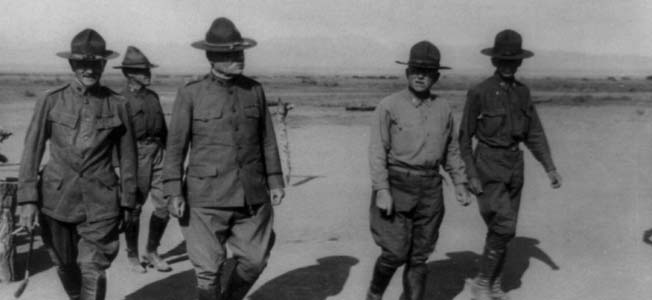
Five days after the March 9, 1916, raid on Columbus, New Mexico, in which at least 17 Americans were killed, President Woodrow Wilson instructed General John J. Read more
Woodrow Wilson
It was a burial, but certainly not a funeral. One soldier who looked on muttered, “Ashes to ashes, dust to dust…If Villa won’t bury you Uncle Sam must.” Read more