• Publications
    • Military Heritage
    • WWII History
    • Civil War Quarterly
    • WWII Quarterly
  • Latest Stories
  • WWII
    • European Theater
    • Pacific Theater
    • Eastern Front
    • North Africa
    • Battle of the Bulge
    • D-Day
    • Operation Market-Garden
    • Pearl Harbor
    • Guadalcanal
    • Battle of Iwo Jima
    • Band of Brothers
    • U.S. Third Army
    • Eighth Air Force
  • Civil War
    • Battle of Gettysburg
    • Ulysses S. Grant
    • Robert E. Lee
    • J.E.B. Stuart
    • William T. Sherman
    • Stonewall Jackson
    • Abraham Lincoln
    • Jefferson Davis
  • Military History
    • Crusades
    • Napoleonic Wars
    • Wars of the Roses
    • American Revolution
    • World War I
    • Korean War
    • Vietnam War
    • Medal of Honor Recipients
    • Military Museums
  • Books
  • Games
  • Store
  • Log In
  • Subscribe

The Korean War began in June 1950, when Communist North Korean forces invaded South Korea. The United States then led a U.N. coalition to end the conflict.

General Douglas MacArthur

The Korean War: Invasion to Armistice

by Mike Haskew

With the end of World War II, the Korean peninsula was divided at the 38th parallel into Soviet and U.S. Read more

General Douglas MacArthur

Military Book Reviews: WWII Propaganda to Christmas in the Korean War

By Christopher Miskimon

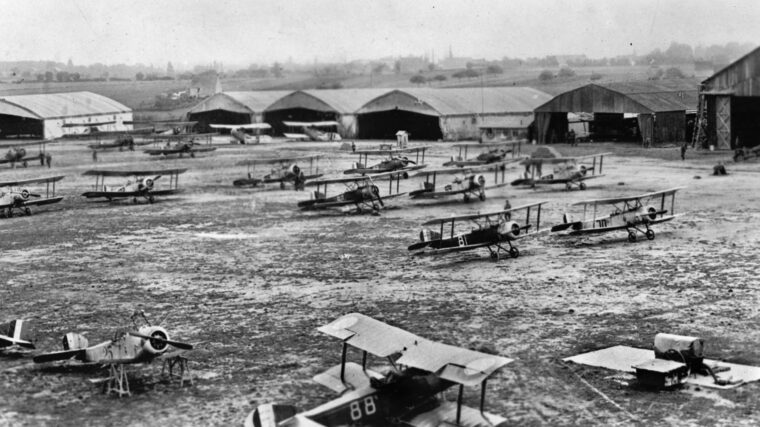
With World War I raging across the muddy battlefields of Europe, the Allies were pressed for personnel to man their ever-increasing air forces. Read more

1 2 3 4 5 6

From Around the Network

  • Spitfire pilots are shown with their aircraft in Burma. Although commonly associated with the Battle of Britain, the Spitfire also saw service in British theaters of war around the globe in World War II.

    WWII

    The Supermarine Spitfire and the Battle of Britain
    Read More
  • Marines watch as a flame-throwing amphibious tractor fires at caves in the mountainous areas used by the Japanese during the fight for the Pacific island of Peleliu. The lowlands and the airport were quickly captured, but the Umurbrogol massif—a series of limestone and choral ridges rising as high as 300 feet took much longer. A moonscape of sinkholes, canyons and cliffs further fortified by Japanese engineers, the “Umurbrogal Pocket,” and the island, was finally declared secure 73 days after the Marines had landed.

    WWII

    Savage Struggle for Peleliu
    Read More
  • Book Reviews

    Rory Laverty’s ‘Aluminum Alley’
    Read More
  • WWII

    Newly Identified Remains from the USS Oklahoma Makes News in Hawaii
    Read More

Join The Network

Join historians and history buff’s alike with our Unlimited Digital Access pass to every military history article ever published (over 3,000 articles) in Sovereign’s military history magazines. Our database is searchable by subject and updated continuously.

Subscribe

Already have an account? Log in

Warfare History Logo

Sovereign Media - PO Box 10003, McLean, VA 22102

Publications
  • Military Heritage
  • WWII History
  • Civil War Quarterly
  • WWII Quarterly
Warfare History
  • WWII
  • Civil War
  • WWI
  • Crusades
  • Napoleonic Wars
  • War of the Roses
  • American Revolution
  • Korean War
  • Vietnam War
  • Medal of Honor Recipients
  • Museums
Reviews
  • Military Games
  • Book Reviews
Members
  • Join The Network
  • My Account
  • Log In
The Network
  • About
  • Advertising
  • Contact Us
  • Privacy Policy
  • Contributor Guidelines
* indicates required

Newsletter

Stay up to date with all of our latest news, events, and resources

© 2026 Sovereign Media