Germany
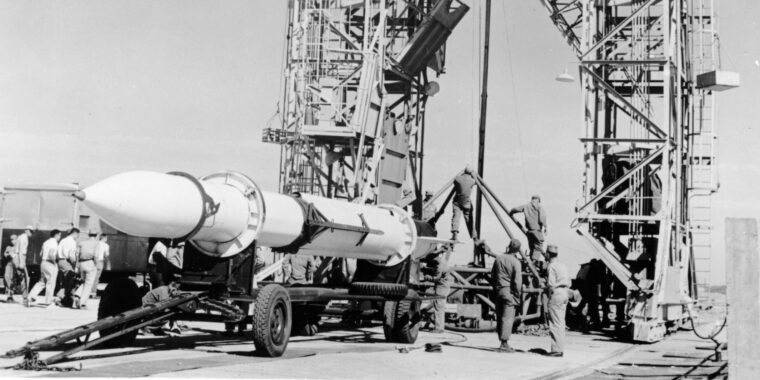
The Corporal M2 Missile
By Peter A. GoetzSix days after the Allies’ D-Day landings on the coast of Normandy in June 1944, Germany retaliated by launching its first Vergeltungswaffe, or Vengeance Weapon, at the city of London. Read more
Germany
Six days after the Allies’ D-Day landings on the coast of Normandy in June 1944, Germany retaliated by launching its first Vergeltungswaffe, or Vengeance Weapon, at the city of London. Read more
Germany
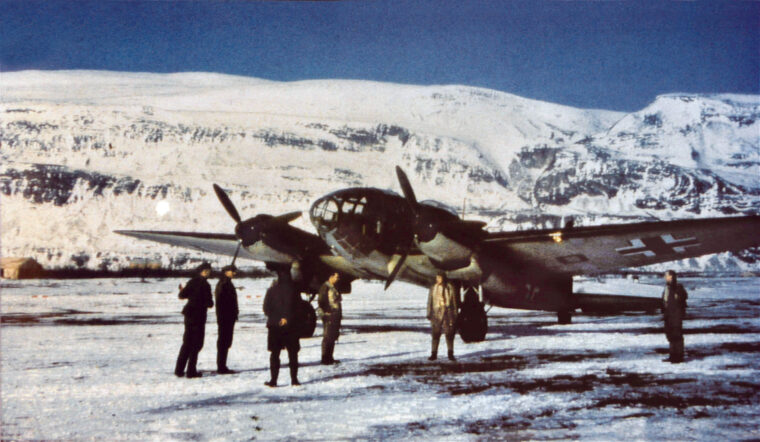
The fundamental pillars of war—strategy and tactics— inevitably depend on an imponderable and uncontrollable factor: the weather. With the increasing sophistication of weather data gathering, analysis, and forecasting in the early 20th century, predicting the weather became an integral part of World War II. Read more
Germany
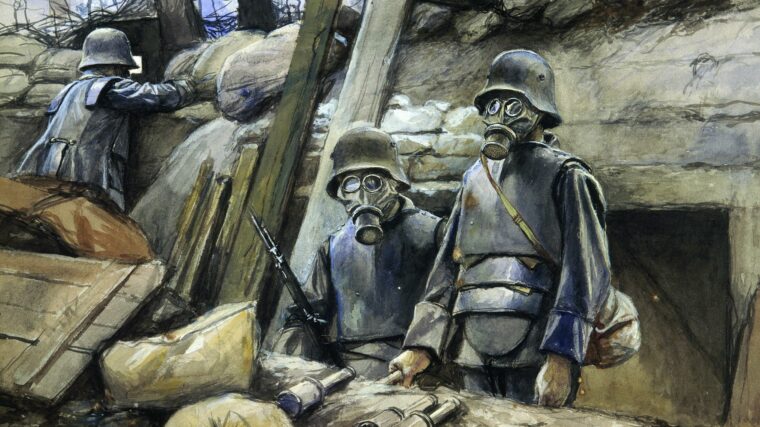
In the months before the outbreak of World War I, 25-year-old Adolf Hitler was living the starving artist’s life in the Bavarian city of Munich, selling his paintings door-to-door and in the city’s numerous beer halls. Read more
Germany
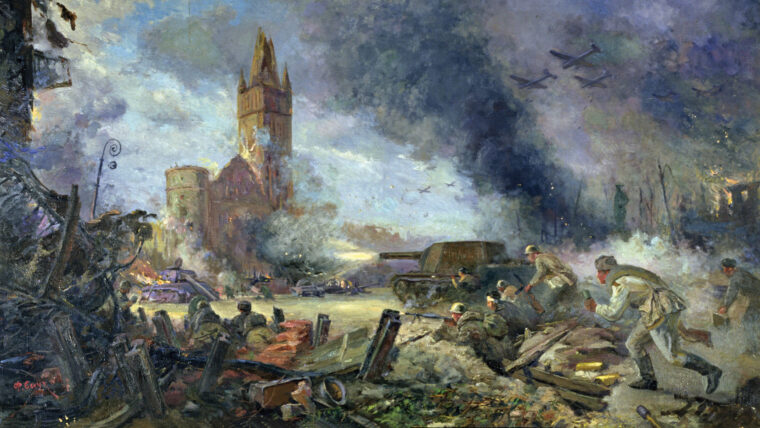
The storming of Fortress Königsberg in April 1945 was the finale of a two-month Soviet siege. The city, one of the few triumphs of Hitler’s fortress strategy, had been encircled by late January and lay hundreds of kilometers behind the main front line by the time the Soviets launched their final assault toward the Nazi capital of Berlin. Read more
Germany
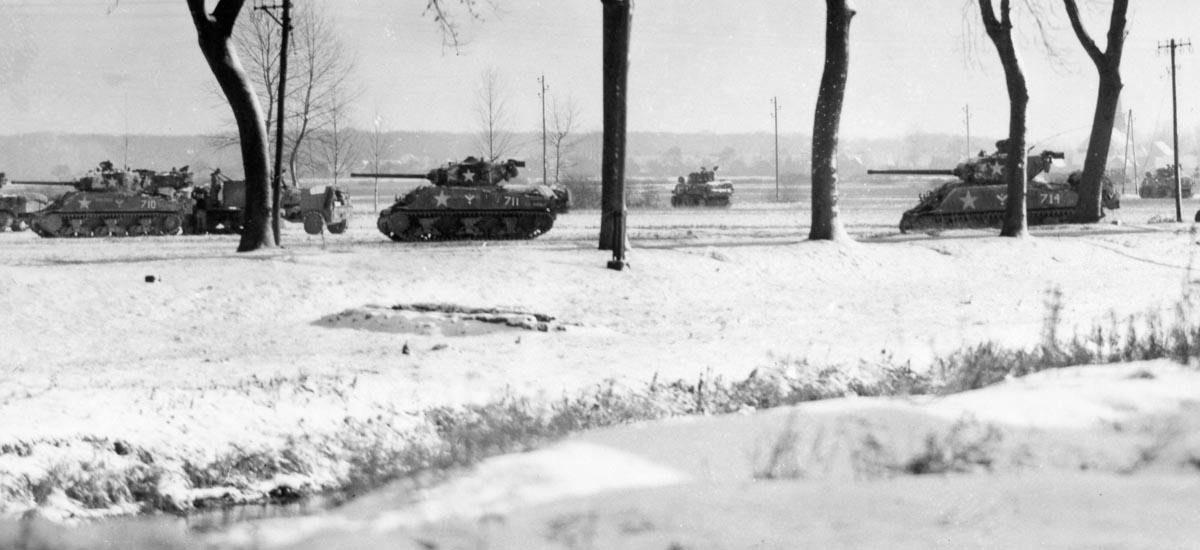
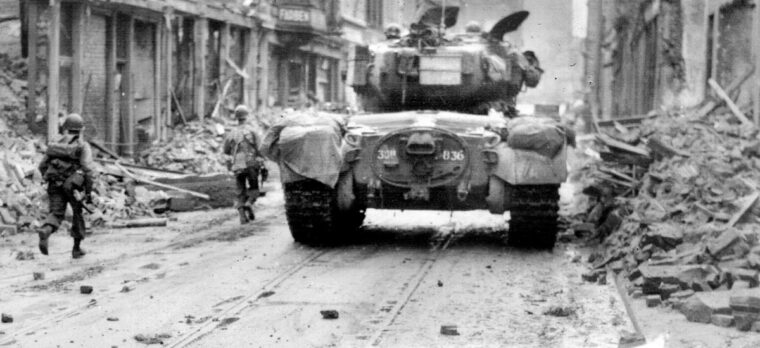
Sergeant Nicholas Mashlonik watched closely as the Panzerkampfwagen (PzKpfw) VI Tiger heavy tank rampaged through the village of Elsdorf in the Rhineland-Westphalia region of Germany on February 27, 1945. Read more
Germany
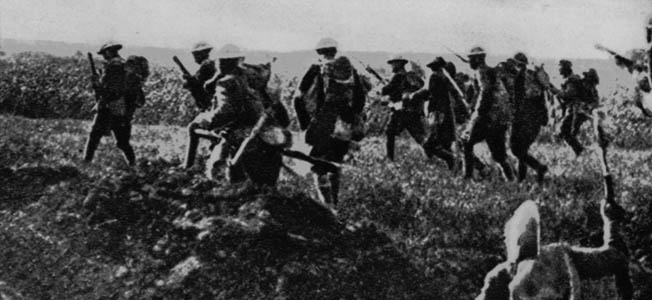
This WWI Timeline covers the first decade of the 20th century, in which the so-called “Great Powers” of Europe attempted to advance their economic and technological prowess to out-do—or at worst, at least keep pace—with their neighbors and rivals. Read more
Germany
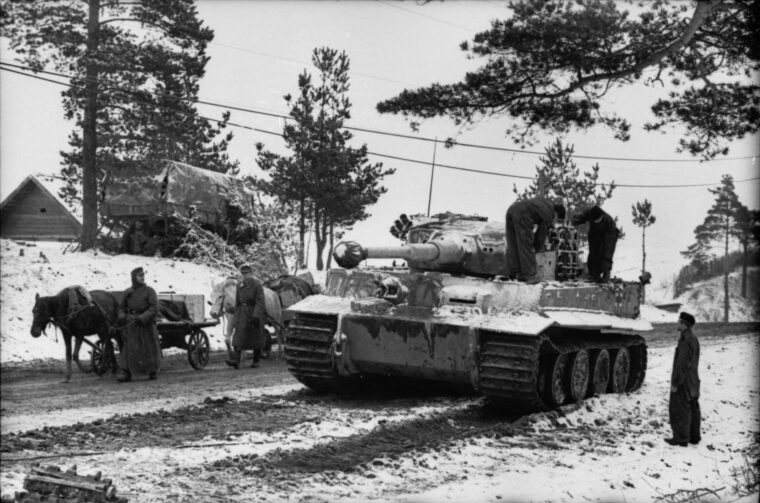
Advances in military technology, including tanks, jets, and rockets, are among the popular images of Nazi Germany during World War II. Read more
Germany
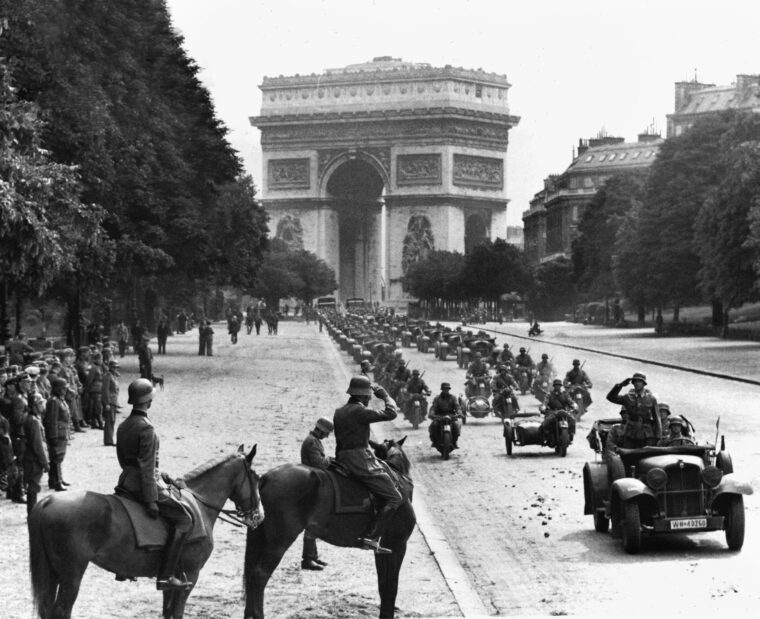
Early in June 1940, refugees from northern France and the low Countries who had flooded Paris in May fled with the residents of the city as the German advance neared. Read more
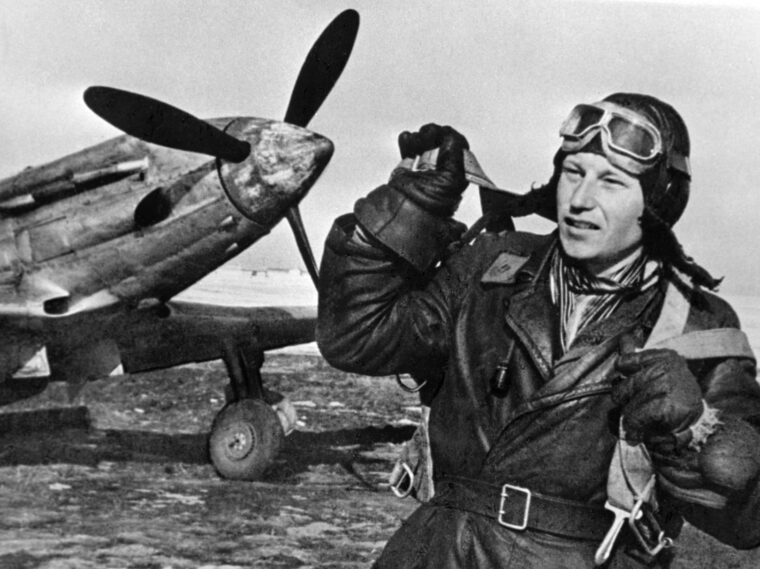
Germany
According to contemporary Soviet news sources, fighter Ace Alexander Pokryshkin was the most famous pilot in the Red Air Force during World War II. Read more
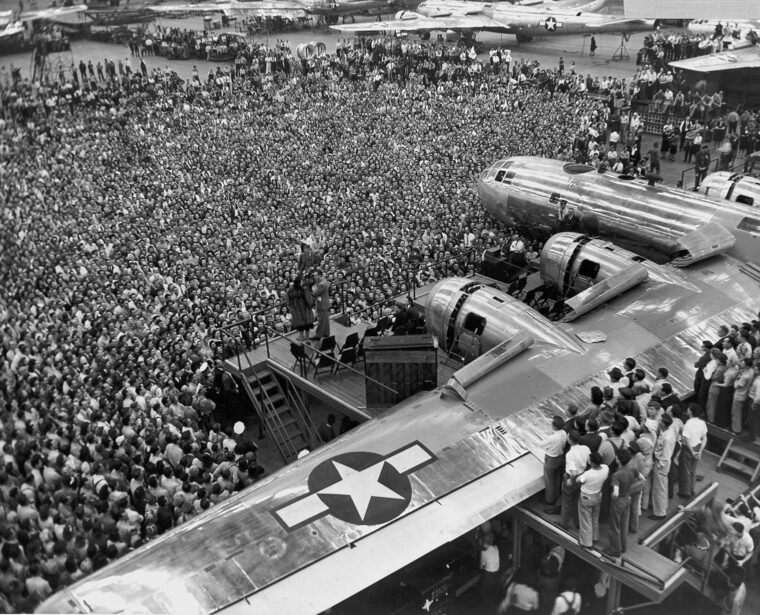
Germany
When Maj. Gen. Curtis Lemay, the hard-driving commander of the Twentieth U.S. Air Force based in Guam, decided to change tactics in early 1945 to boost the effectiveness of the B-29 Superfortress, it was the Bell Aircraft plant in Marietta, Georgia, that ultimately provided him with the stripped-down bombers that played such a key role in ending the war in the Pacific. Read more
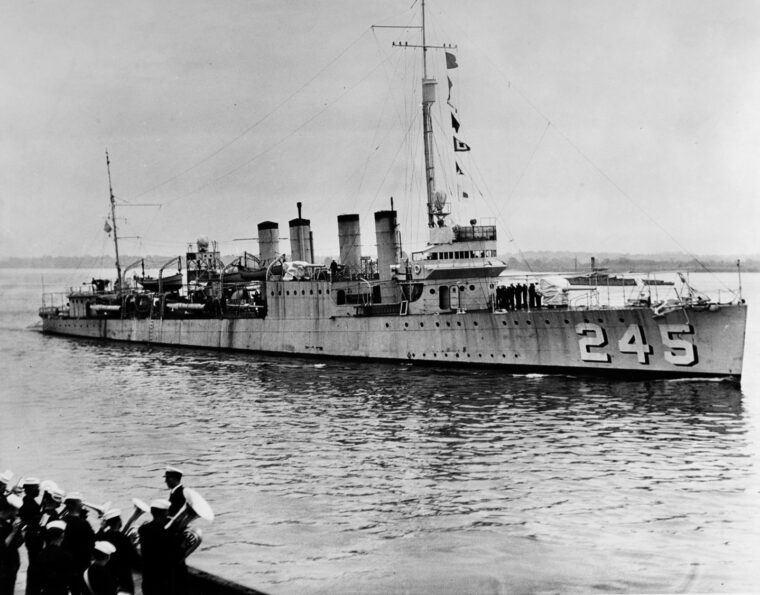
Germany
When the destroyer USS Reuben James (DD-245) was assigned to convoy duty in the North Atlantic in the autumn of 1941, its crew had a sense of foreboding and feared the worst. Read more
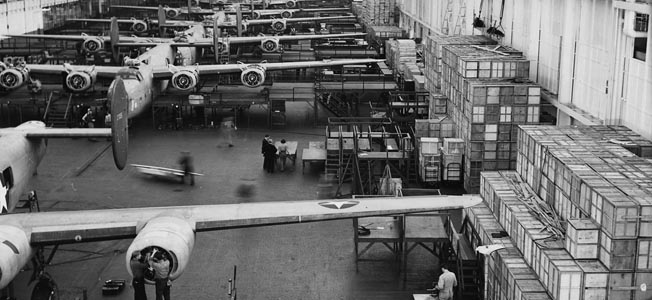
Germany
They said it couldn’t be done. Doubters chided Henry Ford for declaring that his Willow Run Bomber Plant could turn out a B-24 Liberator heavy bomber every hour. Read more
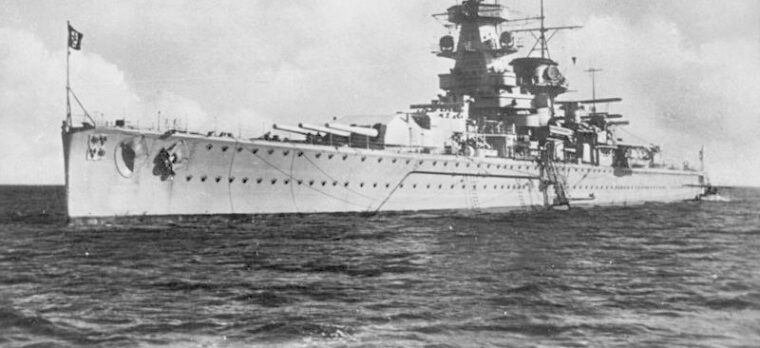
Germany
As soon as the British radio operator started batting out the distress signal on December 2, 1939, the German pocket battleship opened up with a 37mm gun. Read more
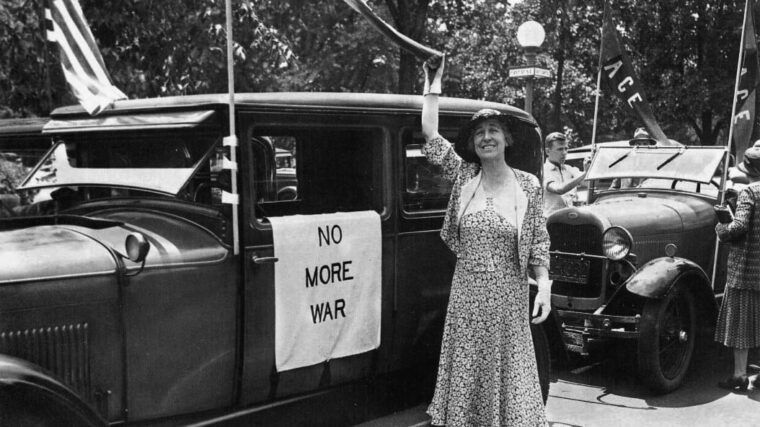
Germany
An Associated Press report described “a chorus of hisses and boos” that echoed through the chamber when the Congresswoman from Montana cast her vote. Read more
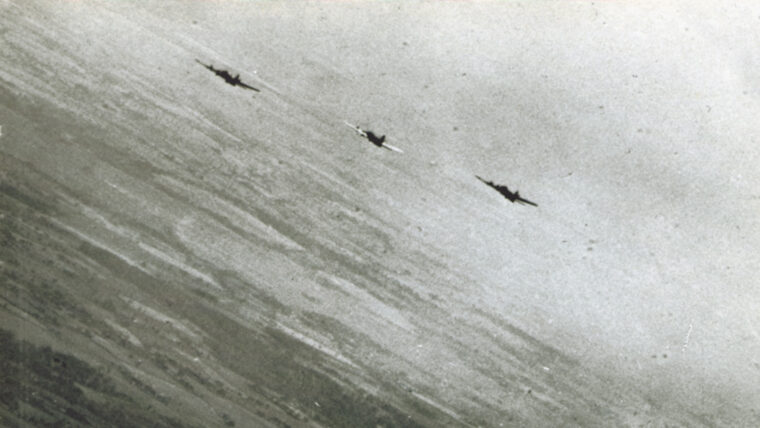
Germany
When it came to advanced military technology in World War II, arguably no one was better at it than Nazi Germany, whose scientists Adolf Hitler keep busy trying to invent the ultimate “super weapon” capable of defeating his enemies. Read more
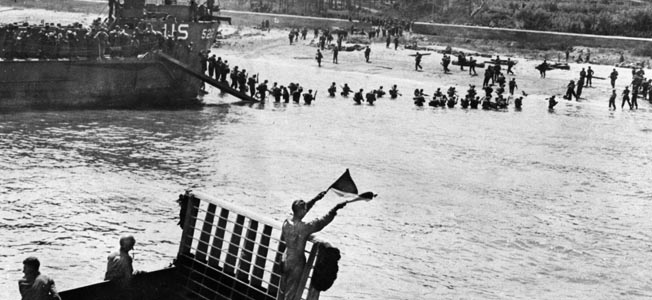
Germany
Early in 1944, German Field Marshal Erwin Rommel, the defeated hero of North Africa and now head of Army Group B in France, was tasked with strengthening the Atlantic Wall defenses against Allied invasion. Read more
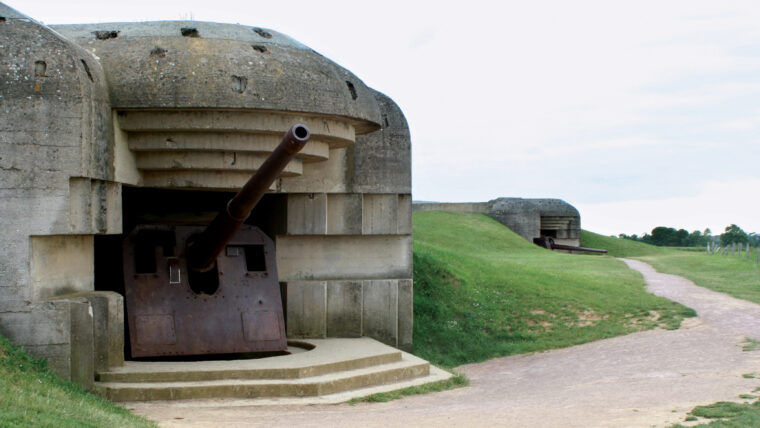
Germany
After overrunning France and other Western European countries in 1940, Adolf Hitler was certain that the Allies would one day attempt to invade the European continent and attack through the occupied countries to destroy his regime. Read more
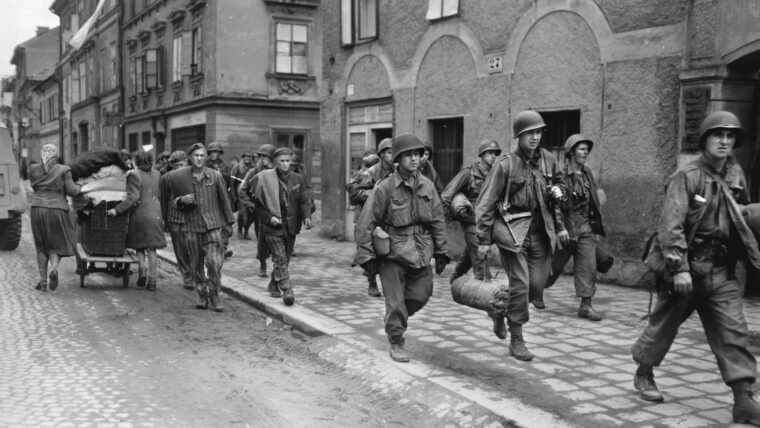
Germany
BACKSTORY: The final months of World War II in the European Theater were a harrowing and desperate time for the soldiers who fought there. Read more
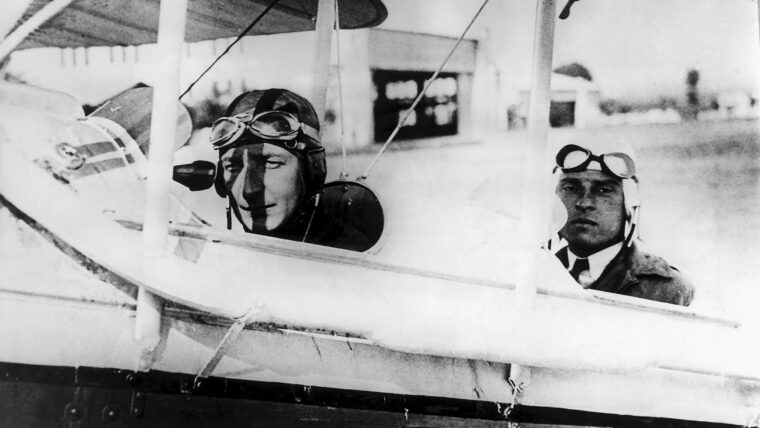
Germany
On the morning of May 15, 1942, a strange motorcade rolled out of Campo Four, located 170 hot, dusty miles south of the Italian base at Jalo oasis in northeast Libya. Read more
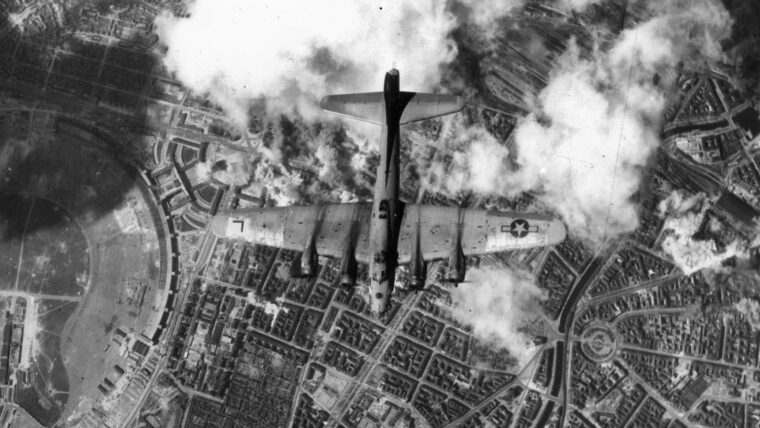
Germany
He was widely regarded as America’s best pilot, he was already a recipient of the Medal of Honor, he was commander of the Eighth Air Force caught up in 1,000-plane bombing missions deep into the Third Reich, and he was mad as hell. Read more