Franklin D. Roosevelt

The Men Against the Bomb

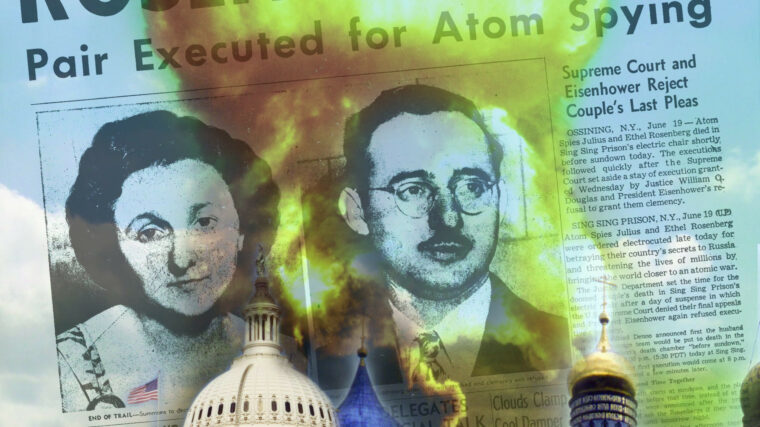
By Andrew J. Rotter

The men and women who imagined and then built the atomic bomb thought they were doing something different from what makers of “conventional” weapons did. Read more

Franklin D. Roosevelt

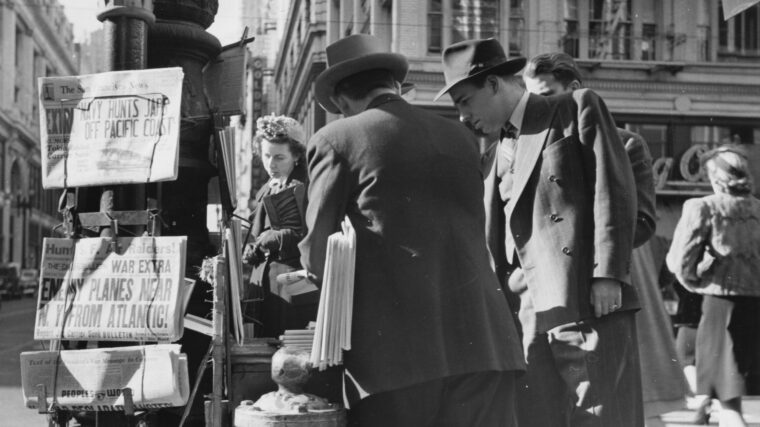
Pearl Harbor: The Sleeping Giant Awoken

By Flint Whitlock

It was, as the phrase goes, another perfect day in paradise. As the sun rose above the Pacific in the clear, cloudless sky east of the Hawaiian Islands, on December 7, 1941, the giant U.S. Read more

Franklin D. Roosevelt

The Irish Brigade in WWII

By Tim Newark

It was a letter in the London Times that caught the attention of British wartime Prime Minister Winston Churchill. Read more

Franklin D. Roosevelt

4 Unsolved Mysteries of the Jimmy Doolittle Raid on Tokyo

By Susan Zimmerman

April 18, 1942, will forever live in American military glory as the date of the Jimmy Doolittle Raid on Tokyo––a gutsy, never-before-attempted combat mission to fly North American B-25 Mitchell bombers off the deck of an aircraft carrier and attack an enemy capital. Read more

Franklin D. Roosevelt

The Brazilian Expeditionary Force Invades Italy

By Nathan N. Prefer

The term “United Nations” was in large part derived from the large number of nations that joined in common cause between 1939 and 1945 to defeat the Axis powers of Germany, Japan, and Italy during World War II. Read more

Franklin D. Roosevelt

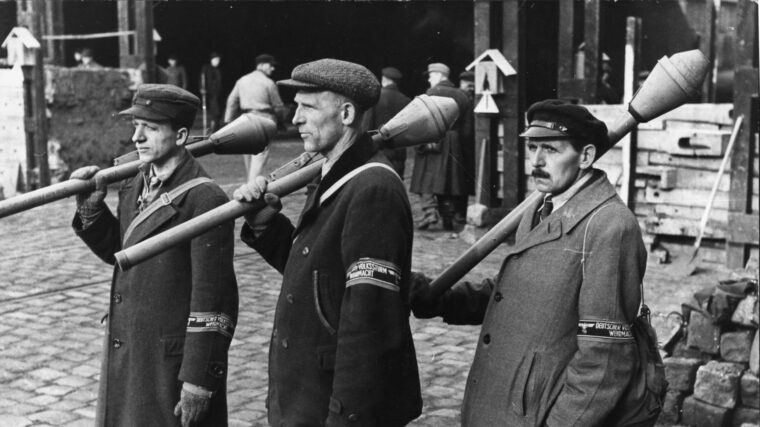
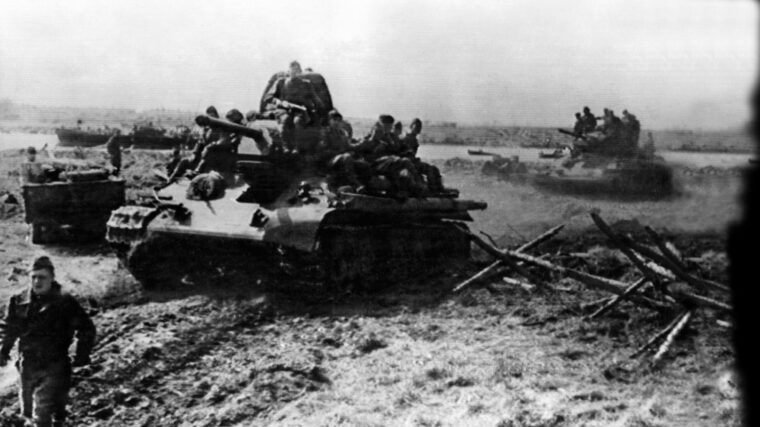
The Volkssturm: Last-Ditch Militia of the Third Reich

By Blaine Taylor

On October 18, 1944—the 131st anniversary of the Battle of the Nations’ victory over Napoleon in 1813—Reichsführer-SS (National Leader) Heinrich Himmler stepped up to a microphone to make a national radio address announcing the formation of the Nazi Party-controlled Volkssturm, or People’s Militia. Read more

Franklin D. Roosevelt

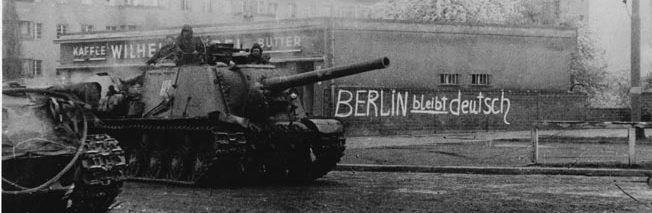
Rankin C: The Occupation of Germany

By Michael E. Haskew

Almost from the beginning, the fractious alliance that defeated Nazi Germany was in peril. The United States and Great Britain had long distrusted the communist regime of the Soviet Union, and the feeling was strongly mutual. Read more

Franklin D. Roosevelt

Moe Berg: Baseball Player in the OSS

By Peter Kross

In 1920, a young, handsome Jewish boy from New Jersey took the train from Grand Central Station to Princeton, New Jersey, where he would enroll that fall. Read more

Franklin D. Roosevelt

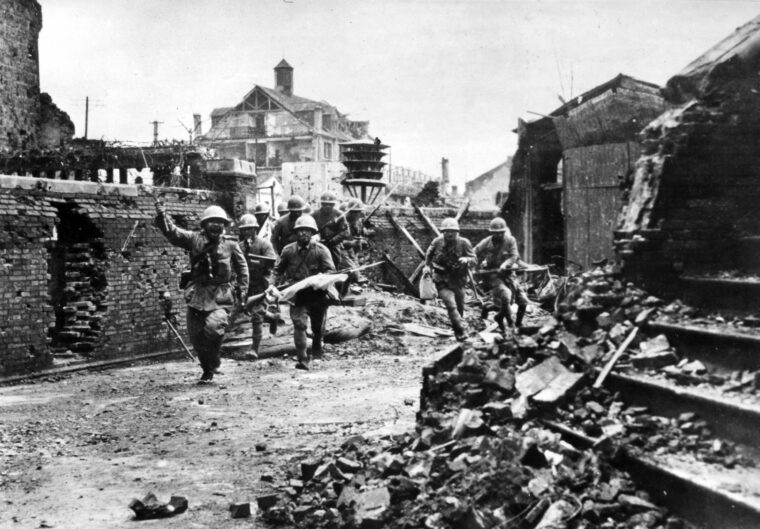
Japan’s Road to War

By Eric Hammel

Japan’s road to World War II was a long one. Throughout the late 19th century, the island nation broke out of its feudal past on a path to modernity with a ruthlessness and singlemindedness that would have scared Western nations had they been paying attention. Read more

Franklin D. Roosevelt

Target: America’s West Coast

By Steven D. Lutz

It seemed like just another ordinary day at sea. Early on December 7, 1941, a U.S. Army-chartered cargo vessel, the 250-foot SS Cynthia Olson, under the command of a civilian skipper, Berthel Carlsen, was plying the Pacific waters about 1,200 miles northeast of Diamond Head, Oahu, Hawaii, and over 1,000 miles west of the Tacoma, Washington, port from which she had sailed on December 1. Read more

Franklin D. Roosevelt

The Winds Message Controversy: The Intelligence That Predicted Pearl Harbor?

By Peter Kross

The Japanese strike on Pearl Harbor on December 7, 1941—a “Day of Infamy,” as President Franklin D. Roosevelt described it—left the American Pacific Fleet in almost total ruin, plunged the United States into World War II, and set off a controversy regarding the events that led up to the attack that is still being hotly debated. Read more

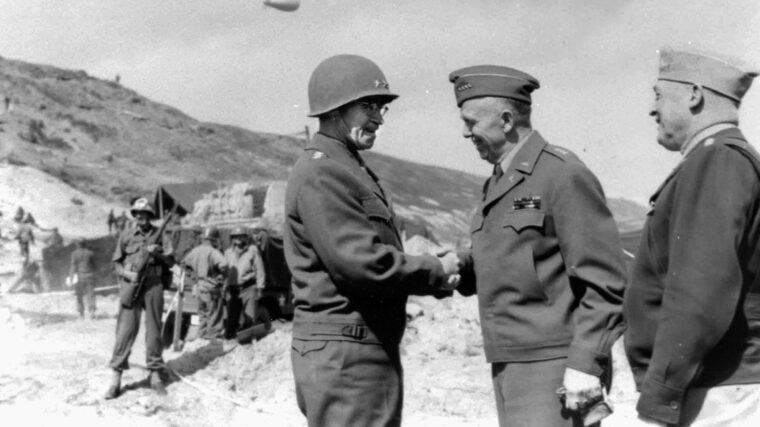
Lieutenant General Omar Bradley greets Marshall in Normandy in June 1944.

Franklin D. Roosevelt

George C. Marshall: The Indispensable Man

By Eric Hammel

George Catlett Marshall was the greatest American military man of his age. If the United States Army had kicked off the 20th century with the specific intent of constructing a chief of staff to lead it to victory in World War II, it could not have done a better job than what chance provided in the triumphs and travails over the 40 years that molded George Marshall. Read more

Franklin D. Roosevelt

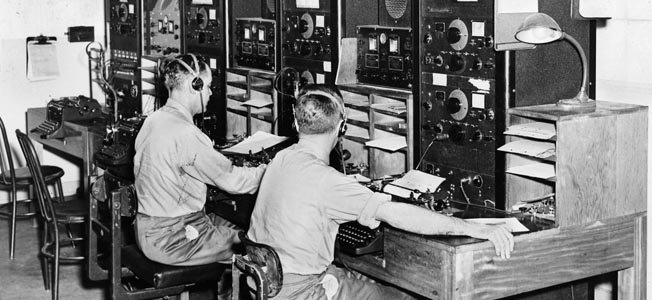
Opening the Venona Files

By Peter Kross

On February 1, 1943, a group called the U.S. Army Signal Intelligence Service, the forerunner of the modern-day National Security Agency (NSA), began a project to intercept and analyze diplomatic signal traffic sent by an ally of the United States: the Soviet Union. Read more